Onwards, Upwards: The Education Track and the Scholarship of Teaching and Learning in Politics and International Relations
12 June 2026 · UCL Bloomsbury Campus
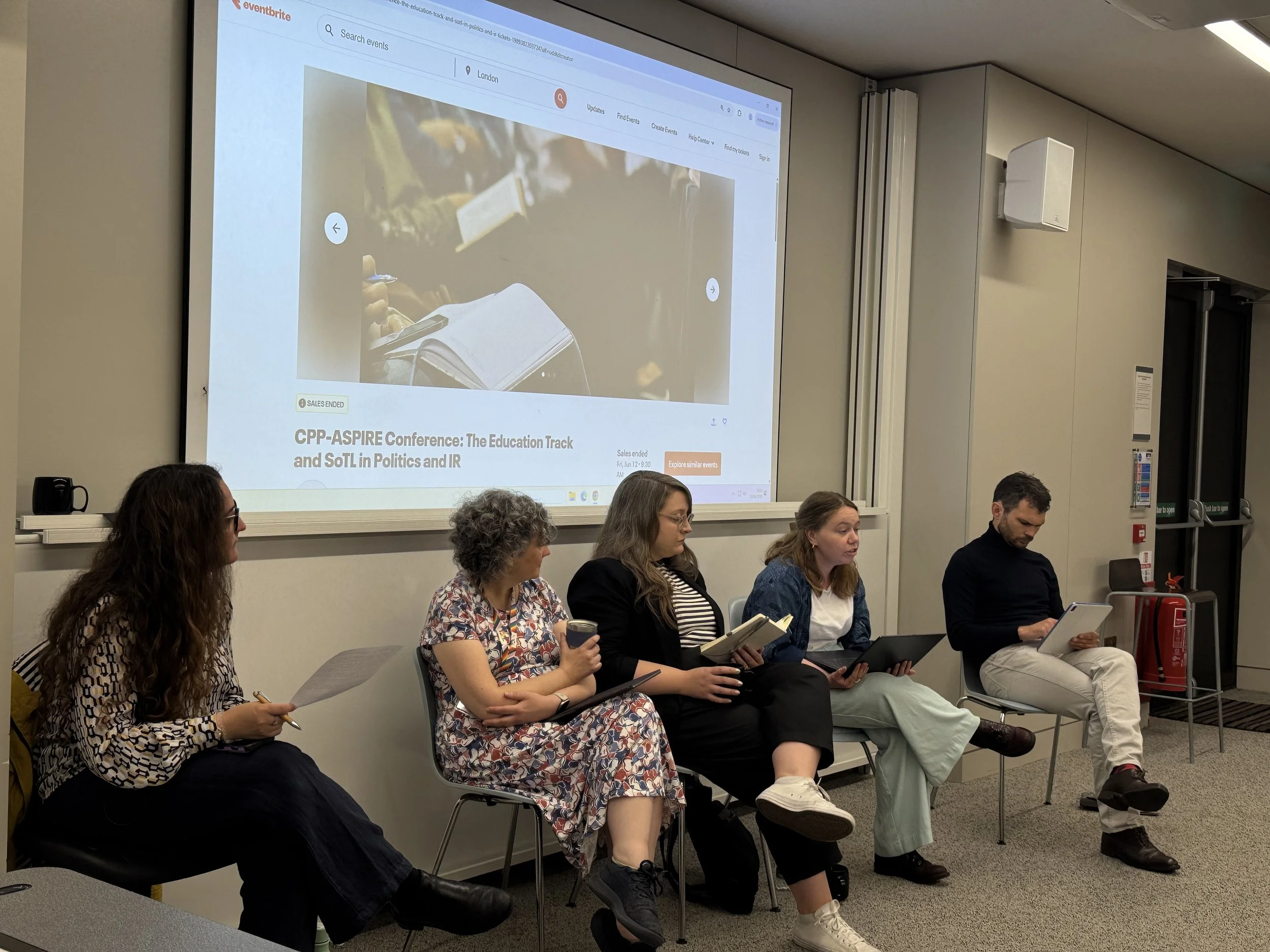
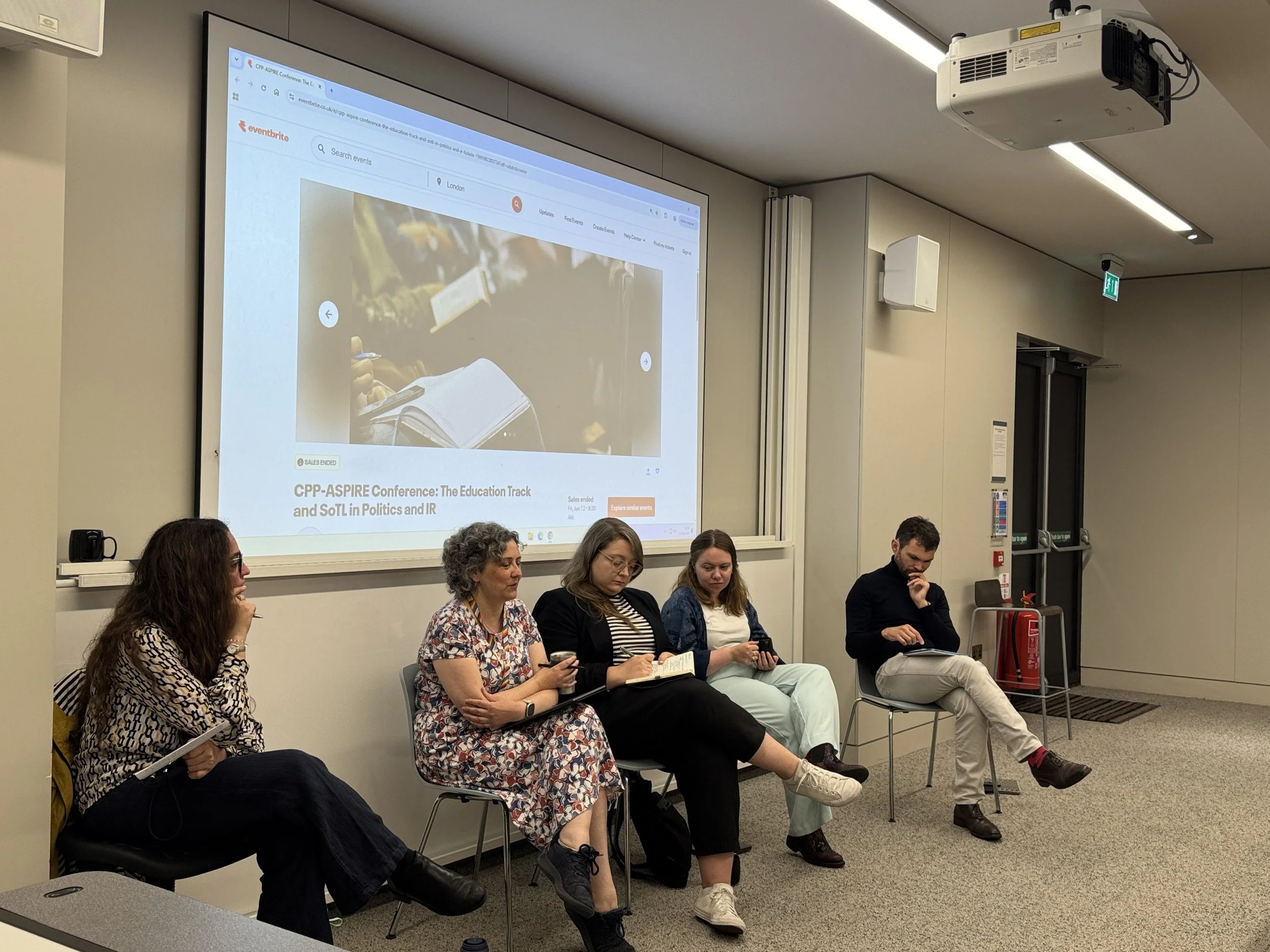
UCL’s Centre for the Pedagogy of Politics (CPP) and the ASPIRE Network co-hosted this one-day conference on the education track and the Scholarship of Teaching and Learning (SoTL) in Politics and International Relations.
The conference took place twenty years after Ishiyama, Breuning and Lopez published “A Century of Continuity and (Little) Change in the Undergraduate Political Science Curriculum” in the American Political Science Review. Their article examined the recurring “ebbs and flows” of academic attention to teaching and learning within the discipline.
In the two decades since, Politics and International Relations has seen a sustained rise in attention to, and innovation within, teaching and learning. SoTL has become an established area of scholarship, shaping how education is conceptualised, delivered and evaluated. Developments in active learning and assessment have also contributed to significant changes in the contemporary Politics and IR classroom.
Alongside these changes has been the growth of the education track. Although these roles initially developed partly in response to institutional financial and workload pressures, they have increasingly been occupied by colleagues committed to advancing pedagogical practice and embedding educational innovation within the discipline.
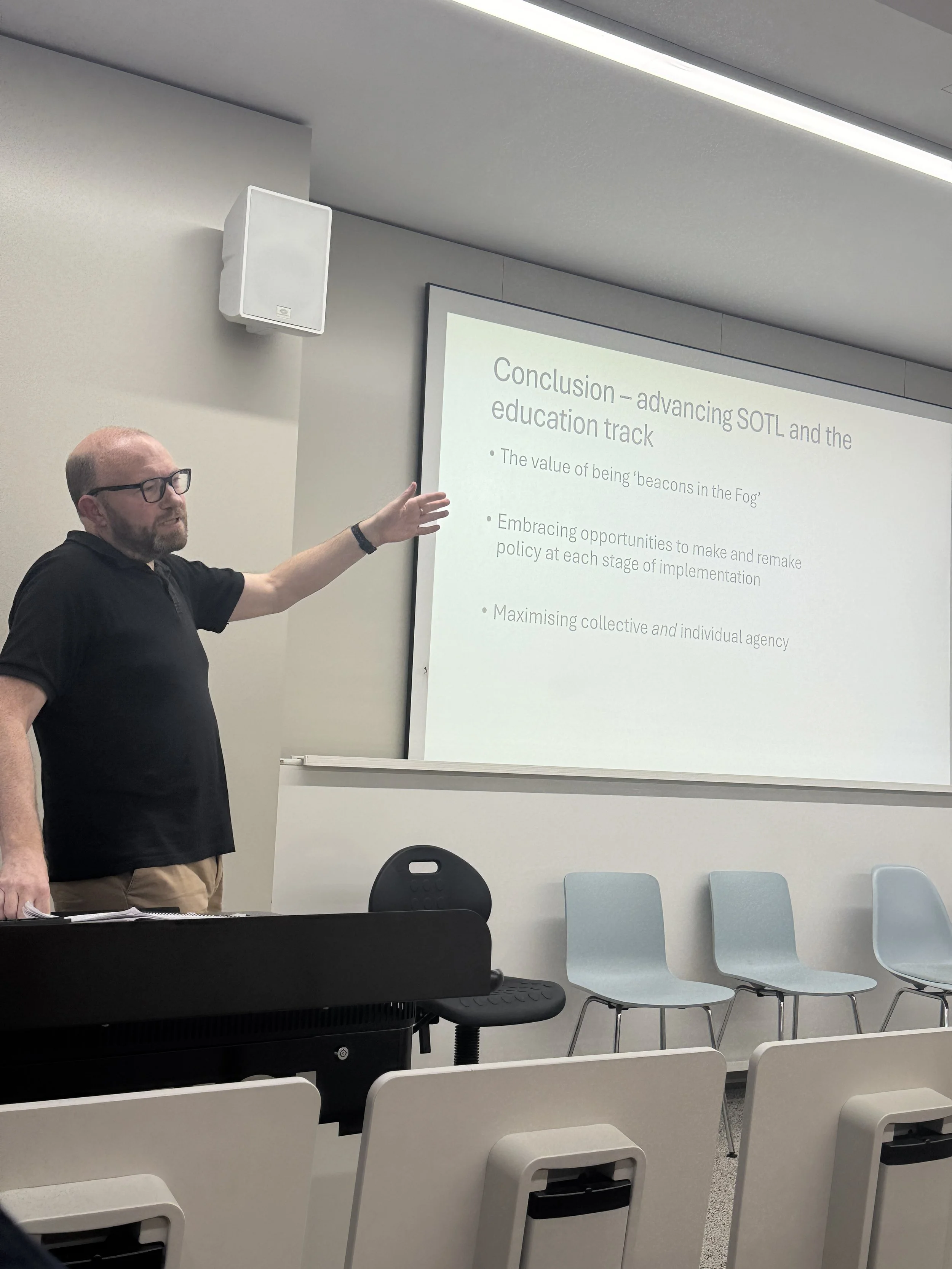
The conference asked how Politics and International Relations might sustain this period of pedagogical “flow” and continue moving “onwards and upwards”. It considered the distinctive expertise that education track colleagues can contribute, whether the discipline’s attention to power and social change offers particular resources for understanding changes in teaching and learning, and which areas of pedagogical scholarship remain in need of further development.
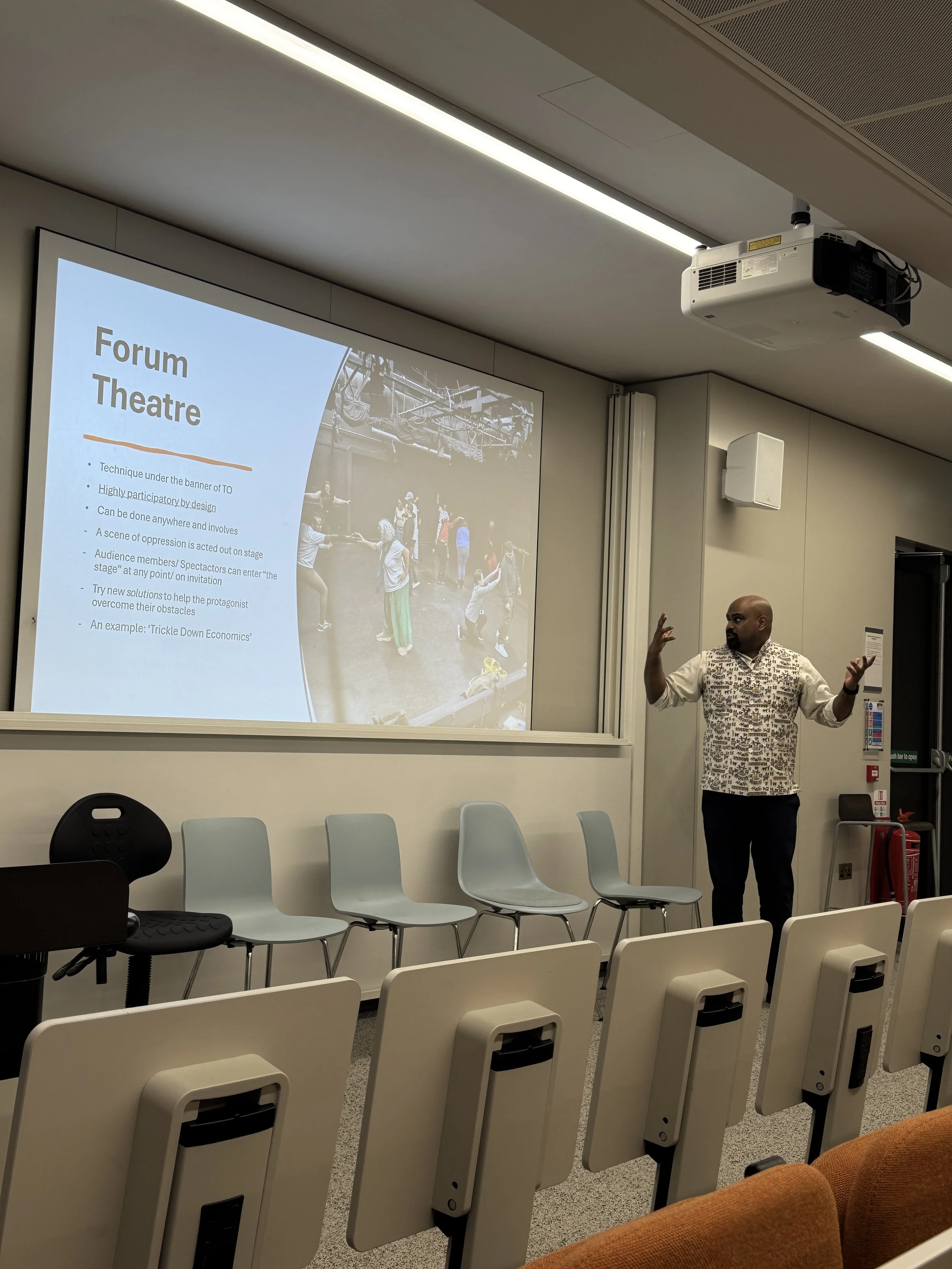
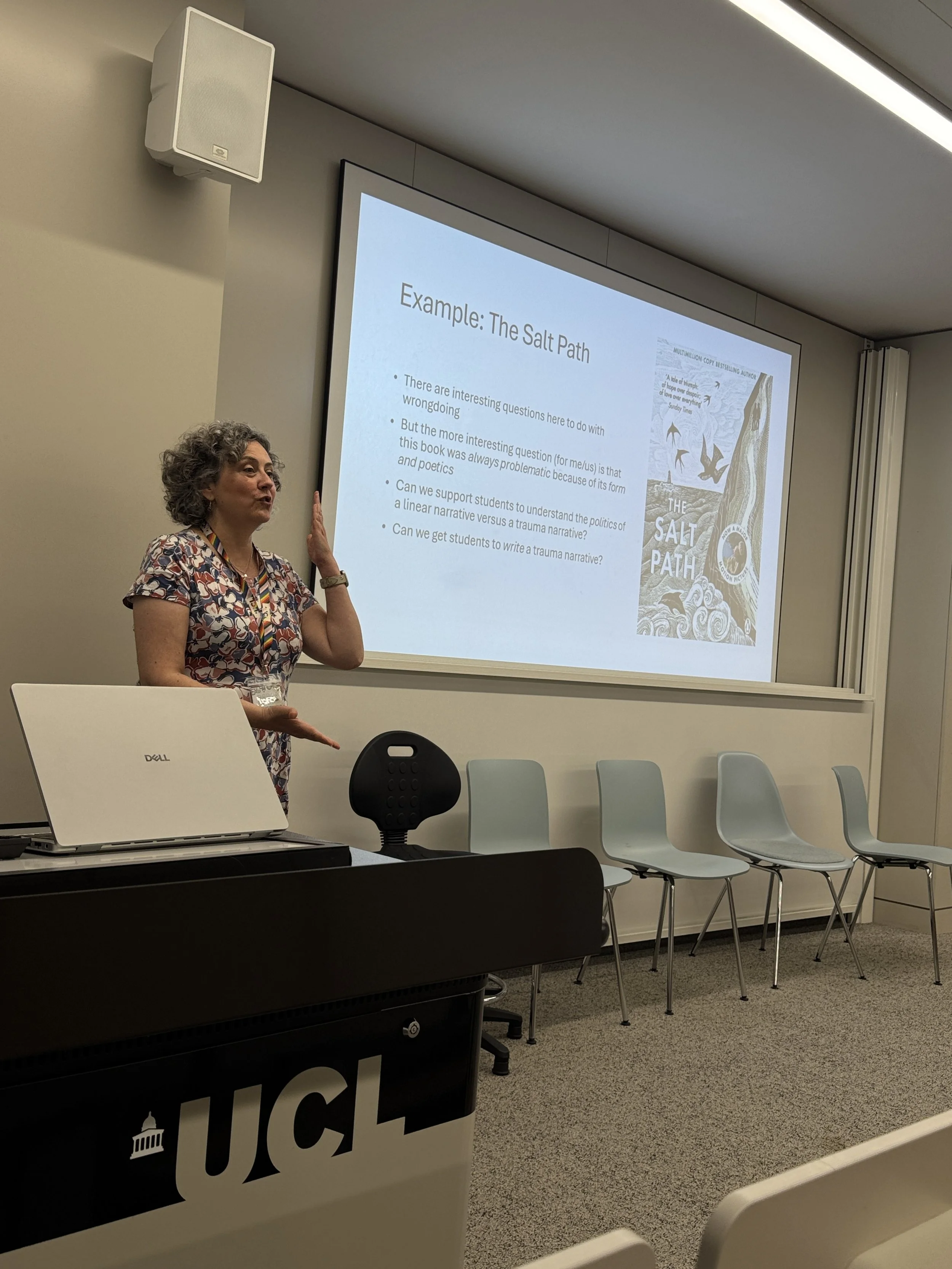
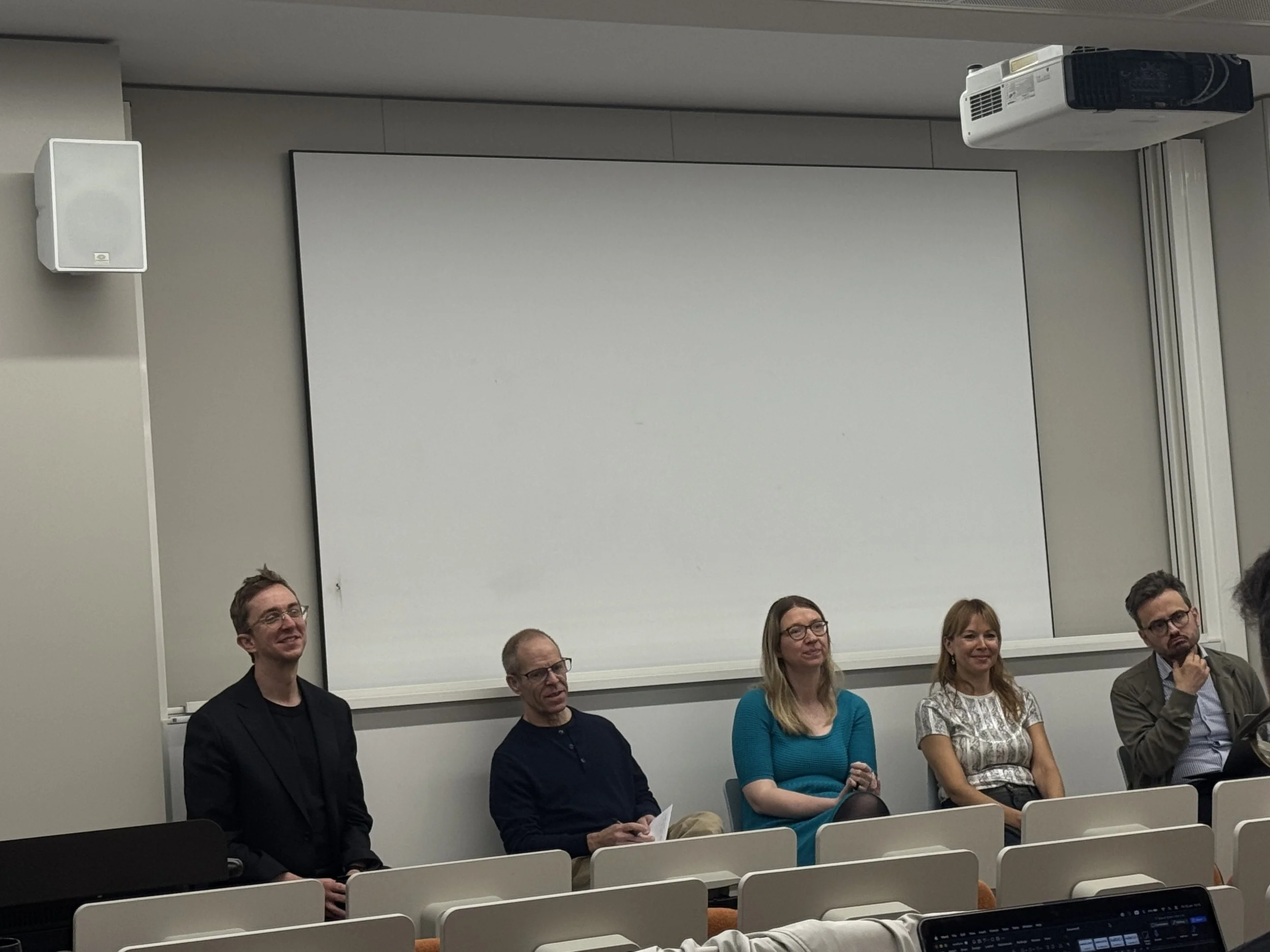
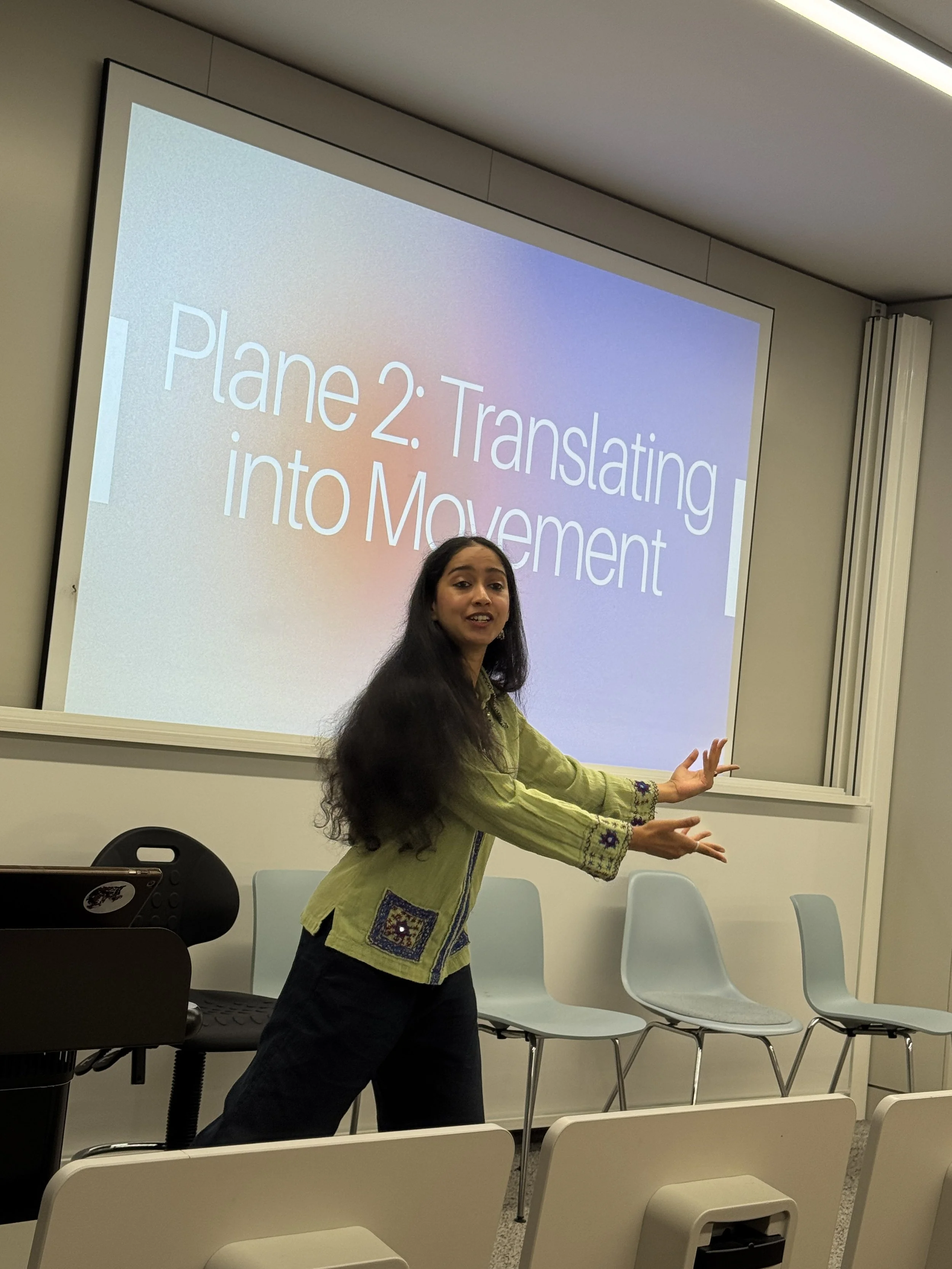
The programme included contributions on student agency and research, creative pedagogies, the politics of teaching, artificial intelligence in the classroom, inclusion and positionality, and relational approaches to learning. These provided opportunities to share research and reflect on the changing place of teaching and educational scholarship within Politics and International Relations.
The conference also took place during the 30th anniversary year of UCL’s Department of Political Science, home of the Centre for the Pedagogy of Politics.
Related reflections from the conference
Following the conference, two contributions were developed further on the Active Learning in Political Science (ALPS) blog.
John Wilesmith’s “Reflecting on this year’s UCL CPP events, Part 2: ‘Relational Pedagogy Without Foundations’” (3 August 2026) develops work he presented at the conference on the philosophical foundations of relational pedagogy.
Eloise Harding’s guest post “Inoculation and epistemic competence: training students to handle misinformation” (17 August 2026) is based on her conference presentation and examines approaches to helping Politics students evaluate misinformation and develop epistemic competence.